Unveiling the grim reality of Indira Gandhi's Emergency rule, this gripping account exposes the rampant abuse of power, censorship, and state-sponsored atrocities that plagued India. From the suppression of dissent to the curtailment of civil liberties, explore the far-reaching consequences of this dark chapter in the nation's history.
Saffron UPsurge - Maturing of a Democracy
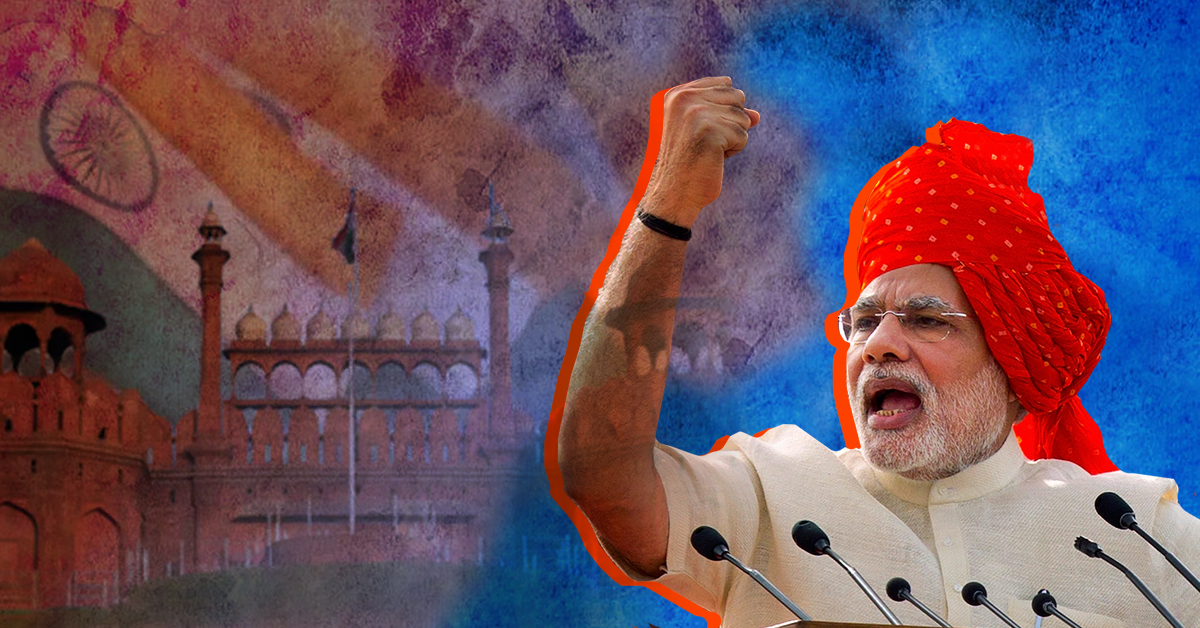
The latest election results have also established that a good majority of Indians perceive Modi to be a man they can trust, a man who can bring about development, a man who can bring in change, a man who can transform their lives for the better.
Read Time: 4 minutes
click play to listen to the article
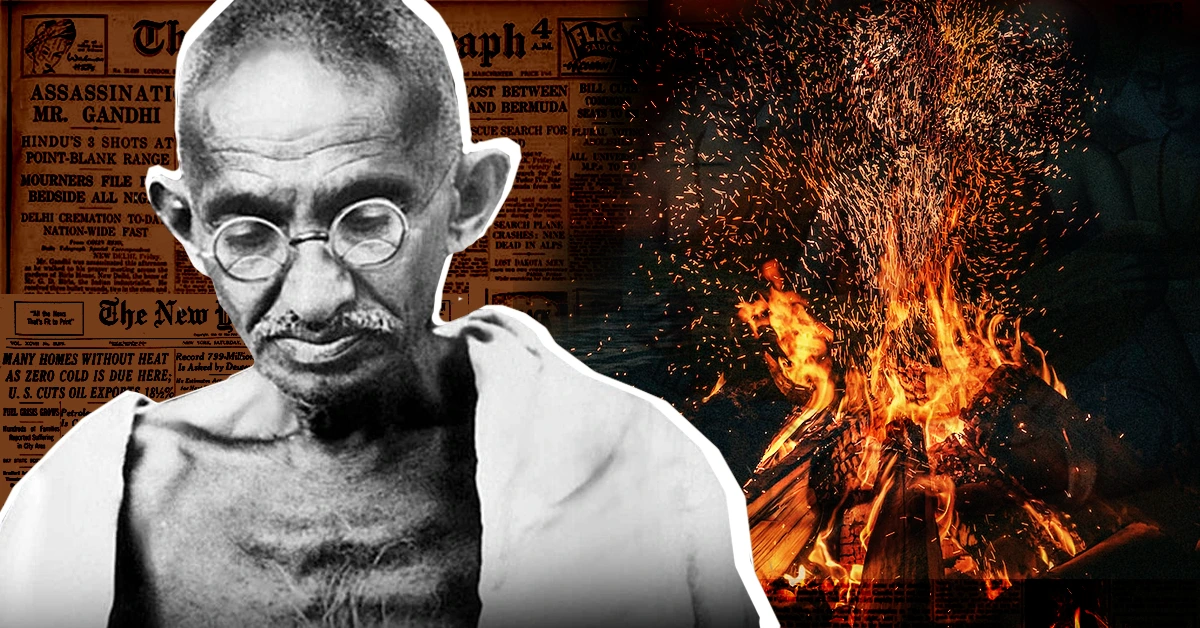
The spirit of democracy cannot be imposed from without. It has to come from within. – Mahatma Gandhi
Mahatma Gandhi
All the main fault lines of Indian politics along the axes of caste, creed, region and religion come to the fore during elections. The media is saturated with heavy terms such as identity politics, social engineering, polarisation, tactical voting and so on. The shrill campaign by the mainstream media makes us believe that these fault lines are an acceptable barometer for electoral success. And in all honesty, this may have well been the case till recent past. While success in elections till now was indeed rooted in a coalition around caste and religion, Modi’s credibility among voters has dominated and changed this narrative.
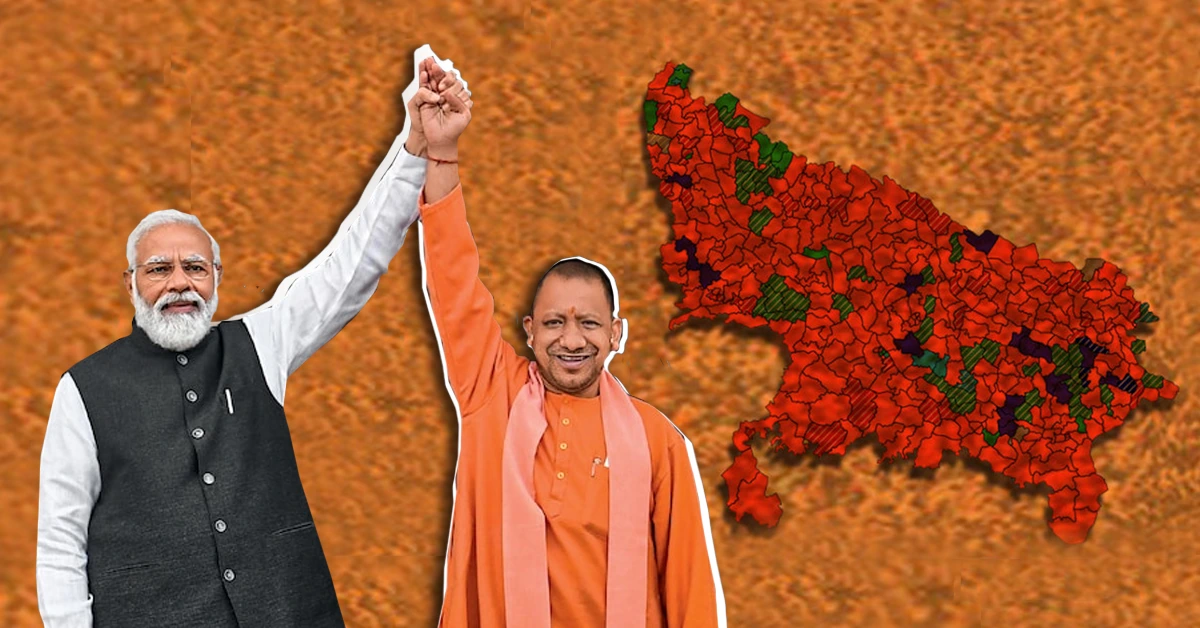
In normal course, going by the traditional voting patterns based on social identity, approximately one third of the votes in Uttar Pradesh are stacked against the Bharatiya Janata Party even before elections are called. Yet in 2014 and once again on Saturday (11 March 2017), the BJP pulled off spectacular victories. The fact that this happened with a government in it’s mid-term, when one normally sees a simmering sense of disappointment towards governments, establishes that this could not have been possible without breaking the confines of social identity. This suggests a tectonic shift underway in voters’ preferences, a shift towards healthy development, a shift towards a stronger democracy. The conventional barometers to study elections seem to have outlived their utilities. Modi’s policy preference of empowerment over appeasement seems to be resonating with the electorate. Modi-baiters, essentially comprising of those believing in fossilised left ideology, those adoring dynasty politics and the aadarshi liberal intelligentsia need to ponder over their own professional integrity.
BJP’s wins since 2014 may well be partly a consequence of the charisma around Modi, but charisma doesn’t exist in isolation. The phenomenal success can be attributed to Prime Minister’s pursued efforts of good governance and his larger strategy of economic empowerment seeking to bring those at the bottom of the pyramid into formal economy. This has been scripted through various schemes ranging from rural employment schemes such as MNREGA to financial inclusion programmes like the Jan Dhan Yojana, MUDRA finance to electrification and housing for all. Each of his initiatives is a baby step for the otherwise economically disenfranchised poor.
The latest election results have also established that a good majority of Indians refuse to see Modi as a mere Hindutva leader who whips up raw communal passions to get votes. Instead, they perceive Modi to be a man they can trust, a man who can bring about development, a man who can bring in change, a man who can transform their lives for the better. Modi’s victories since 2014 confirms that India is seeing a new phase of politics that rises above the old and traditional narrow-minded agenda of caste and religious loyalties. India today is voting for the promise of empowering and aspirational politics. Aspirations that have nothing to do with religion, caste or any other identity politics. People today want change, a change for development and better future. And Modi is the man they see as a leader who can deliver.
Share this article:
Leave a Comment
Recommended For You
In 1947, Nehru's meddlesome actions in Jammu and Kashmir marked a colossal blunder, prioritizing personal agendas over India's security. His reckless promises, callous disregard for Maharaja Hari Singh's pleas, and the disastrous ceasefire in 1948 allowed Pakistan to seize strategic regions, paving the way for future conflict and the rise →Read More →
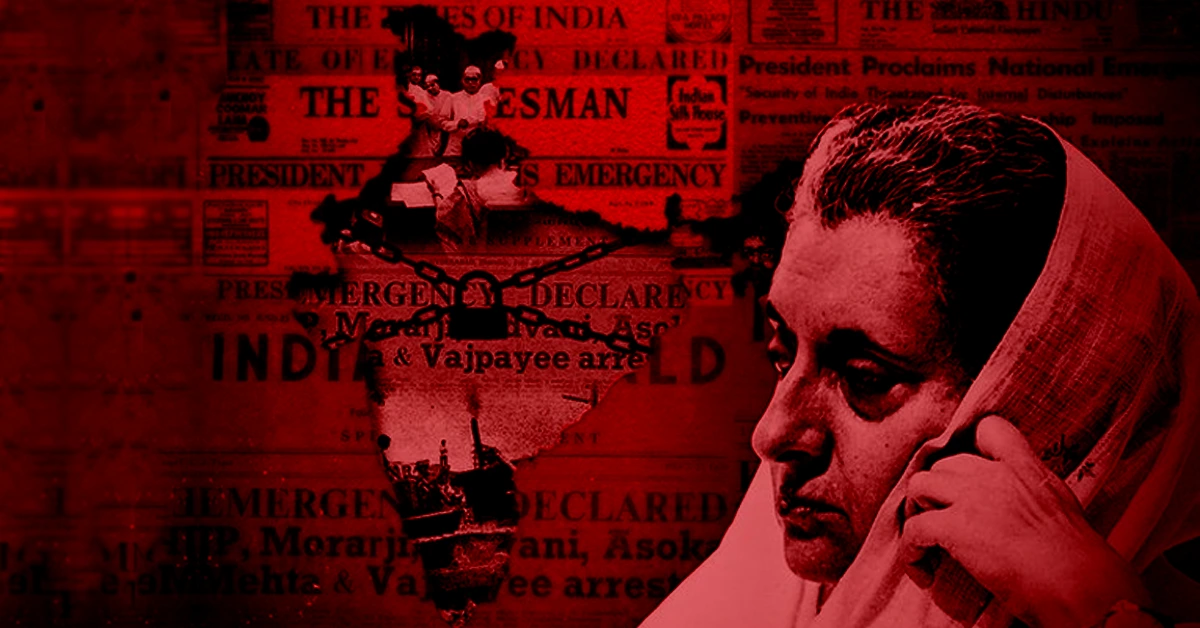
To preserve the idea of India, let us remind ourselves of and reiterate our commitment to the spirit of democracy, liberty, equality & freedom which India was built on. Let us remember and salute the brave heroes of the Emergency.
Between choosing the high moral ground and the practical path, the Bharatiya Janata Party (BJP) chose the practical one by aligning with Ajit Pawar. To blame the BJP for not choosing the moral high ground while giving a clean-chit to others for playing dirty politics is nothing but hypocrisy.
BJP's 2019 election victory is the victory of Indians for a New India. It is the victory of grace, dignity and a commitment to work towards a country we want to see flourish, thrive, grow and compete with the best in the world. We are, Vijayi Bharat.
Rahul Gandhi has the habit of making fabricated allegations beyond facts. There are several instances, besides him lying, where Rahul Gandhi has chosen to willingly undermine India’s sovereignty.
Just as the pig revels in its muddy playground, the Congress party seems to derive pleasure from engaging in dirty politics, making it futile to expect a balanced view or any constructive contributions from them. Repeatedly, the Congress party has demonstrated that their sole objective is to acquire power for →Read More →
महाराष्ट्रातील काही पत्रकार पत्रकारिता कमी आणि आपल्या राजकीय मालकांकरिता काम करताना जास्त दिसून येतात. अशी परिस्तिथी असताना आपण सर्वांनी ह्या प्रसार माध्यमांना दूर सारून वास्तव्य जाणून घेण्या करिता परिश्रम घेणे आवध्यक आहे.
The responsibility for taking India’s political discourse to such low levels of civility lies purely with Rahul Gandhi. Rahul Gandhi has been deliberately indulging in these theatrics with a definitive idea of spoiling the country’s public discourse.
Governments can be criticized and should be criticized. But there is a difference between criticizing governments and attacking India. Attacking India is purely anti-national and deserves the harshest punishment.